Source recycled paperboard child resistant box for Food, Cosmetics, and Health Care
Find 30 listings for recycled paperboard child resistant box options suitable for food, cosmetics, and health care products. Buyers can compare customization features, sizes, and printing handling methods to select the right packaging solution.
Key considerations
Products List








Comprehensive Sourcing Guide
Strategic Sourcing Guide for Recycled Paperboard Child Resistant Boxes
Defining Technical Specifications and Material Integrity
When sourcing recycled paperboard child resistant boxes, the primary objective is to balance environmental sustainability with rigorous safety performance. The core material identified in the available market data is paperboard, often specified as a rigid box type suitable for high-value applications. Buyers must verify that the paperboard meets specific density and thickness requirements to ensure the structural integrity necessary for child-resistant mechanisms. The observed product attributes indicate that the material can be customized in size to fit varying quantities, such as accommodating 2 to 10 pieces of prerolls or cartridges. This customization is critical because the internal dimensions must align precisely with the product being packaged, whether it is a pre-rolled cone, a syringe pen, or a gummy unit.
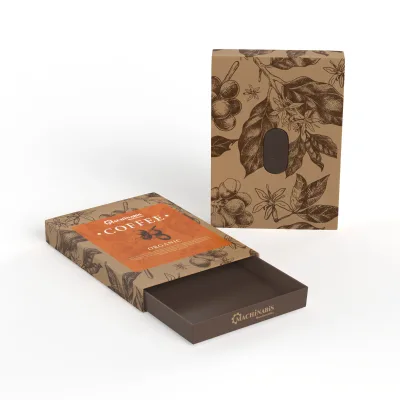
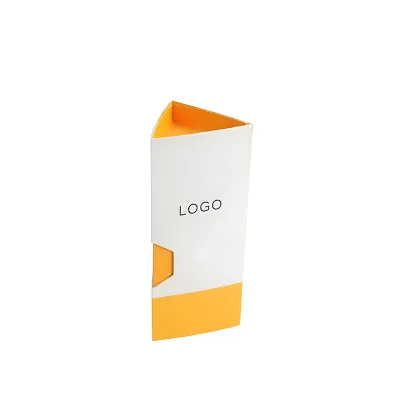
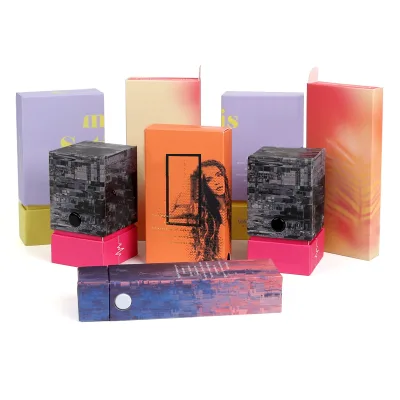
The physical shape of the box is another pivotal specification. Market observations reveal a diversity in forms, including round, rectangular, and square profiles. Rectangular shapes are frequently noted for their efficiency in storage and shipping, while round or square variants may offer distinct aesthetic advantages for branding. The surface handling processes are equally important for both protection and presentation. Common finishing techniques observed include glossy lamination, matte lamination, varnishing, hot stamping, embossing, and gold foil application. These processes not only enhance the visual appeal but also contribute to the durability of the packaging, protecting the contents from moisture and physical damage during transit.
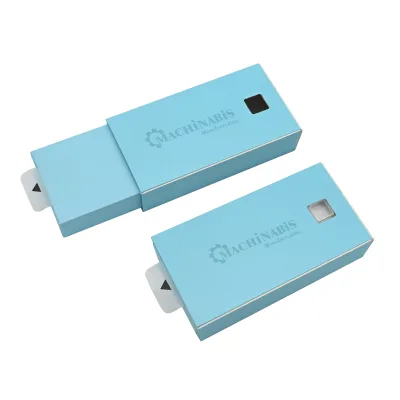
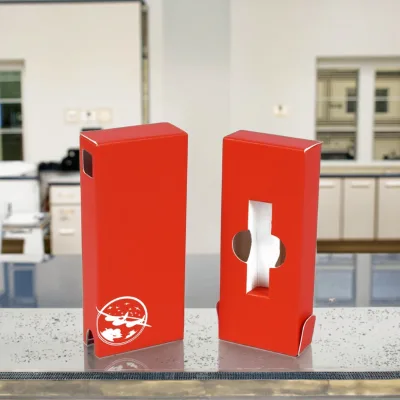
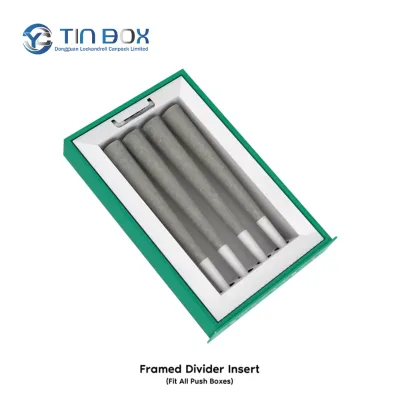
A critical technical component of these boxes is the child-resistant mechanism. The data highlights specific opening options such as "Push and Slide," "Push Back," or "Side Button" configurations. These mechanisms are designed to require a specific dexterity or force that is typically beyond the reach of young children, ensuring compliance with safety regulations. The internal structure often includes dividers or trays designed to hold multiple cones or units securely, preventing them from rattling or breaking. The weight of these units is generally light, often falling under 0.5 kg, which influences shipping costs and handling logistics. Buyers should demand detailed technical drawings that specify the exact interaction between the lid, the base, and the locking mechanism to ensure the "child-resistant" claim is functionally valid.
Compliance Verification and Certification Protocols
Navigating the regulatory landscape for child-resistant packaging requires a meticulous approach to verification. While specific certification bodies like FSC are mentioned in general background contexts, buyers must not assume a supplier's compliance without direct evidence. The standard for child-resistant packaging often involves rigorous testing protocols, such as those referenced by ASTM D3475 in broader industry contexts, though the specific test results for any given supplier must be validated. Buyers should explicitly request test reports that demonstrate the packaging's ability to withstand attempts by children under five years of age to open the box, while remaining accessible to adults.
The concept of "customized standard" implies that the packaging may not adhere to a single universal standard but rather a set of requirements tailored to the specific product and the jurisdiction in which it will be sold. For instance, regulations in the United States, the European Union, and Asia may have differing thresholds for what constitutes a child-resistant closure. Therefore, the buyer's responsibility is to define the target market's regulatory requirements and ensure the supplier can provide documentation proving compliance with those specific rules. Relying on a supplier's verbal assurance is insufficient; written certification or third-party test results are mandatory.
Furthermore, the environmental aspect of "recycled" claims must be substantiated. The term "recycled paperboard" suggests the use of post-consumer waste, but the percentage of recycled content can vary significantly. Buyers should inquire about the specific composition of the paperboard, asking for a breakdown of virgin versus recycled fibers. This information is crucial for companies aiming to meet their own sustainability goals or for brands marketing their products as eco-friendly. The presence of certifications like FSC, if applicable, should be verified against the supplier's current documentation, as these certifications are subject to renewal and audit. Without concrete proof, the "recycled" attribute remains an observation rather than a verified fact.
Cost Drivers and Economic Considerations
The pricing of recycled paperboard child resistant boxes is influenced by a complex interplay of factors, including material costs, customization levels, and order volume. The observed price range in the market spans from $0.05 to $1.90 per unit, a wide variance that reflects differences in complexity, size, and finishing options. Several key drivers contribute to this fluctuation. First, the complexity of the child-resistant mechanism significantly impacts cost. A simple push-and-slide design is generally less expensive to manufacture than a more intricate side-button or hinged system that requires precise engineering and tighter tolerances.
Second, the surface finishing processes add substantial cost. Options such as gold foil stamping, embossing, and UV coating require additional machinery time and specialized materials. A box with a simple matte lamination will be more cost-effective than one featuring a combination of glossy lamination, hot stamping, and embossing. The choice of paperboard quality also plays a role; higher-grade paperboard with a higher recycled content percentage may command a premium price. Additionally, the size of the order is a major determinant. The observed Minimum Order Quantity (MOQ) ranges from 500 to 5,000 units. Orders at the lower end of this spectrum may incur higher per-unit costs due to setup fees and machine run times, while larger orders benefit from economies of scale.
Logistics and origin also influence the final landed cost. The products are primarily sourced from China, with specific mentions of Qingdao as a production hub. Buyers must factor in shipping costs, which vary based on the weight and volume of the shipment. Although the individual box weight is low (<0.5 kg), the bulk packaging in cartons and on pallets adds to the overall shipping volume. Lead times are another economic consideration; while not explicitly quantified in the data, custom orders typically require longer production windows than stock items. Buyers should anticipate that highly customized designs, such as unique shapes or complex printing, will extend the timeline, potentially affecting inventory planning and cash flow.
Typical Applications and Market Segments
The versatility of recycled paperboard child resistant boxes makes them suitable for a diverse range of industries. The primary application observed is in the cannabis and hemp sectors, where these boxes are used to package pre-rolled cones, cartridges, syringe pens, and gummies. The specific mention of "Preroll Cartridge Syringe Pens" and "Pre-Rolled Cones" highlights the niche market for cannabis accessories. In this context, the packaging must not only be child-resistant but also discreet and aesthetically pleasing to appeal to adult consumers. The ability to customize the color and print the logo is essential for brand differentiation in a crowded market.
Beyond the cannabis industry, these boxes find applications in the broader pharmaceutical and health care sectors. The data indicates usage for "Health Care Products," "Arts and Crafts," and "Gifts." In the pharmaceutical context, child-resistant packaging is often a legal requirement for medications and supplements, making these boxes a viable option for small-batch or specialized health products. The "Arts and Crafts" application suggests that the boxes can be used for packaging high-value craft supplies or DIY kits, where safety is a concern for families with children.
The "Food" and "Cosmetics" sectors also represent significant opportunities. While less common for standard food items, the boxes could be utilized for premium or specialty food products that require secure packaging. In the cosmetics industry, the emphasis on aesthetics and the ability to apply high-quality finishes like gold foil and embossing make these boxes attractive for luxury skincare or beauty products. The "Push Pack" and "Carton" packaging types observed suggest that these boxes are designed for retail display, allowing for easy access by consumers while maintaining security. The "Insert" feature, such as dividers for multiple cones, further enhances their utility in organizing and presenting products effectively.
Supplier Evaluation and Vetting Criteria
Selecting the right supplier for recycled paperboard child resistant boxes requires a rigorous vetting process that goes beyond price comparisons. Buyers should prioritize suppliers who demonstrate transparency in their manufacturing processes and material sourcing. A key criterion is the supplier's ability to provide detailed technical specifications and proof of compliance with child-resistant standards. This includes requesting samples that can be tested for functionality and durability. The supplier should be able to explain the mechanics of the locking system and how it meets the specific needs of the product being packaged.
Quality control is another critical factor. Buyers should inquire about the supplier's internal quality assurance protocols, including how they handle defects, manage production consistency, and ensure that the printed designs are accurate. The ability to produce custom orders is a significant advantage, but it requires a supplier with flexible manufacturing capabilities. The observed data mentions "Custom Design" and "Custom Order" acceptance, indicating that many suppliers are willing to tailor their products. However, buyers must verify the supplier's capacity to handle these customizations without compromising on quality or lead times.
Geographic location and logistics capabilities are also important. With the primary origin being China, specifically Qingdao, buyers should evaluate the supplier's experience with international shipping and their ability to handle customs documentation. A supplier with a strong track record of exporting to the buyer's region will likely have established logistics partners and a better understanding of import regulations. Additionally, the supplier's responsiveness and communication style are vital. Given the custom nature of the products, clear and frequent communication is necessary to ensure that the final product meets the buyer's expectations.
Quality Control and Long-Term Procurement Strategy
Implementing a robust quality control strategy is essential for maintaining the integrity of recycled paperboard child resistant boxes. Buyers should establish clear acceptance criteria for the finished products, including checks for structural strength, the functionality of the child-resistant mechanism, and the quality of the printing and finishing. Regular inspections during the production process can help identify and rectify issues before the final shipment. It is advisable to conduct third-party inspections for large orders to ensure that the products meet the agreed-upon specifications.
Long-term procurement considerations involve building a sustainable relationship with suppliers who can consistently deliver high-quality products. This includes negotiating favorable terms for repeat orders, such as volume discounts or priority production scheduling. Buyers should also consider the environmental impact of their packaging choices, ensuring that the supplier's commitment to recycled materials aligns with their own sustainability goals. The ability to source recycled paperboard consistently is crucial for maintaining the "green" credentials of the final product.
Furthermore, buyers should plan for scalability. As the business grows, the demand for packaging will likely increase. A supplier with the capacity to scale production without sacrificing quality is essential. This may involve investing in relationships with suppliers who have the infrastructure to handle larger volumes and more complex customizations. Finally, staying informed about regulatory changes and industry trends is vital. The child-resistant packaging market is dynamic, with new regulations and technologies emerging regularly. A proactive approach to procurement, involving continuous monitoring of the market and regular supplier audits, will help buyers stay ahead of potential challenges and ensure a steady supply of high-quality packaging.
Summary of Key Procurement Factors
To summarize, sourcing recycled paperboard child resistant boxes requires a holistic approach that integrates technical specifications, compliance verification, cost analysis, and supplier evaluation. The market offers a wide range of options, from simple rectangular boxes to complex custom designs with advanced locking mechanisms. Buyers must navigate the complexities of material sourcing, ensuring that the "recycled" claim is substantiated and that the child-resistant features meet regulatory standards. By focusing on quality control, building strong supplier relationships, and planning for long-term scalability, buyers can secure a reliable supply chain that supports their business growth and sustainability objectives. The observed data provides a solid foundation for understanding the market landscape, but the ultimate success of the procurement strategy depends on the buyer's diligence in verifying claims and managing the procurement process effectively.
FAQs
What materials are used for recycled paperboard child resistant boxes?
These boxes are primarily made from paperboard, though some variants use metal. The material is often specified as rigid paperboard suitable for high-value applications and can be customized to meet specific structural needs.
How can I customize the size of these child resistant boxes?
Custom sizes are available to fit varying quantities, such as accommodating 2 to 10 pieces of prerolls or cartridges. Buyers must verify that the internal dimensions align precisely with the product being packaged.
Which child resistant mechanisms are commonly used in these boxes?
Common mechanisms include push and slide, push back, or side button configurations. These designs require specific dexterity or force to open, ensuring compliance with safety regulations for children.
Can these boxes be printed with custom logos and designs?
Yes, custom printing and logo printing are available options for these boxes. Surface handling processes like hot stamping, embossing, and lamination can be applied to enhance visual appeal and brand differentiation.
What is the typical minimum order quantity for these boxes?
The observed minimum order quantity ranges from 500 to 5000 units. Orders at the lower end may incur higher per-unit costs due to setup fees and machine run times.
Where are these recycled paperboard child resistant boxes manufactured?
The products are primarily sourced from China, with specific mentions of Qingdao as a production hub. Buyers should evaluate the supplier's experience with international shipping and customs documentation.
What are the typical applications for these child resistant boxes?
These boxes are used for packaging pre-rolled cones, cartridges, syringe pens, and gummies in the cannabis sector. They also find applications in pharmaceuticals, health care, and cosmetics industries.